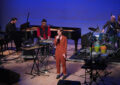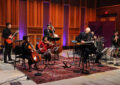
Blending contemporary classical music with jazz improvisations, the Ukrainian composer and pianist, Vadim Neselovskyi, talks to us about his new album Perseverantia.
It is an eleven-movement suite for piano and string trio inspired by the resilience and “perseverance” found in war and in human effort and struggle. We also explore the origins of this beautiful project, discuss the relationship between composition and improvisation in the piece, and reflect on the important role that music and art play in times of crisis.
In this interview, acclaimed composer and pianist Vadim Neselovskyi discusses his latest album, Perseverantia, a deeply personal and expressive work that explores resilience, memory, hope, and artistic perseverance through music. Throughout the conversation, he reflects on the creative process behind the album, the emotions and experiences that shaped its composition, and the musical influences that inspired this new work. Neselovskyi also shares insights into his artistic journey, the importance of storytelling through sound, and the ideas he hopes listeners will connect with while experiencing the album. Thoughtful and intimate, this interview offers a closer look into the mind of an artist whose music continues to bridge emotion, history, and innovation.
Movements of Perseverantia
1. Before 24
Instrumentation: Solo piano with occasional string accompaniment that gradually enriches the texture.
Type of music: Reflective contemporary chamber music with lyrical and minimalist influences.
Summary:
A quiet, introspective opening that evokes a sense of normality before the outbreak of war. A simple piano melody unfolds with subtle repetition while the strings remain in a supporting role, creating a restrained and intimate atmosphere rather than overt emotional drama.
2. Tanks Near Kyiv
Instrumentation: Piano and string trio, with a strong emphasis on rhythmic ostinati, low-register pedal points, and short, percussive string gestures.
Type of music: Contemporary chamber music with minimalist and avant-garde elements.
Summary:
Built around an insistent bass pedal and fragmented rhythmic motives, the movement creates mounting tension through repetition and gradual textural accumulation. Rather than depicting battle literally, the music conveys a growing sense of threat and psychological unease.
3. March Passacaglia
Instrumentation: Piano and strings, with the strings establishing a pizzicato foundation before the piano gradually assumes the melodic role.
Type of music: Contemporary passacaglia with minimalist influences.
Summary:
A repeating bass pattern provides the structural backbone of the movement, while subtle variations accumulate over time. The restrained rhythm and the movement’s design alluding to a Baroque passacaglia, gives the music a feeling of inevitability evoking the cry and prayer for the victims of the Bucha massacre.
4. I Don’t Need a Ride
Instrumentation: Piano and string trio with extensive pizzicato writing and rhythmic interplay.
Type of music: Contemporary chamber music with jazz influences.
Summary:
Driven by a persistent pizzicato groove, the movement combines rhythmic energy with conversational exchanges between piano and violin. The music projects determination and quiet confidence through its playful yet controlled character.
5. Orwell
Instrumentation: Piano and string trio, featuring ostinati, pizzicato cello, and gradually thickening textures.
Type of music: Contemporary chamber music with minimalist and modern classical elements.
Summary:
Layered ostinati and evolving textures create an atmosphere of ambiguity and instability. The gradual transformation of simple patterns into denser, more dissonant sonorities reflects increasing tension rather than relying on overt dramatic gestures.
6. Refugees
Instrumentation: Piano and strings, with sustained string harmonies supporting an expressive piano melody.
Type of music: Contemporary lyrical chamber music.
Summary:
A slow, spacious movement built around a singing piano line supported by long sustained string tones. The emphasis is on simplicity, resonance, and emotional restraint, allowing the music to unfold with quiet dignity.
7. Dancing as if Nothing Ever Happened
Instrumentation: Piano and string trio in continuous rhythmic dialogue.
Type of music: Contemporary chamber music with jazz and minimalist influences.
Summary:
Energetic rhythmic patterns create the illusion of ordinary life continuing uninterrupted, while subtle harmonic shifts introduce an underlying sense of instability. The movement balances vitality with emotional ambiguity.
8. Choral
Instrumentation: Piano and string trio, with the strings sustaining long chordal sonorities beneath sparse piano writing.
Type of music: Contemporary chorale.
Summary:
Inspired by sacred choral traditions, the movement relies on sustained harmonic fields rather than melodic development. The static texture and restrained pacing create an atmosphere of contemplation and suspended time.
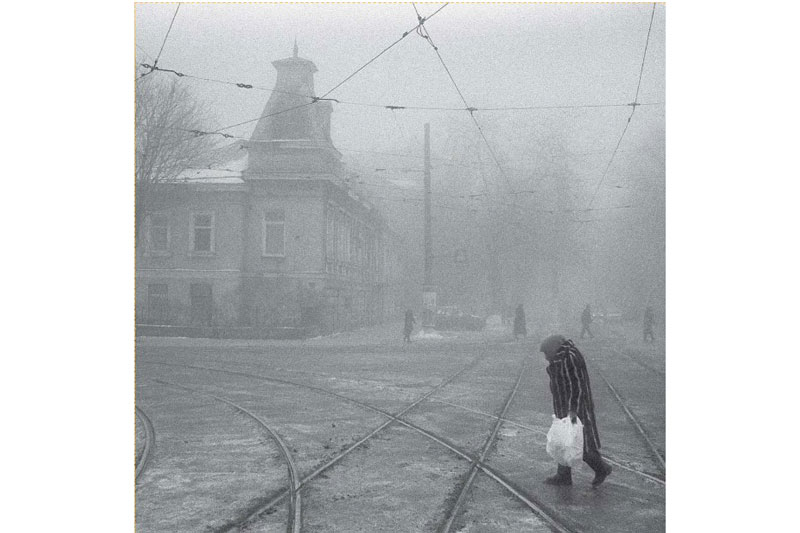
9. Lviv Funeral
Instrumentation: Solo piano.
Type of music: Contemporary piano elegy.
Summary:
Unlike the ensemble movements, this piece is written entirely for solo piano. Its restrained melodic writing, spacious pacing, and expressive use of silence evoke mourning and remembrance without relying on dense textures or overt virtuosity. The simplicity of the piano writing gives the movement an intimate, deeply personal character.
10. Perseverantia
Instrumentation: Piano and string trio, with repeating ostinati and gradually expanding contrapuntal textures.
Type of music: Contemporary chamber music with minimalist influences.
Summary:
The title movement develops almost entirely from a single rhythmic idea introduced by the piano. As the strings gradually join and expand the texture, the music demonstrates how repetition and gradual transformation can generate both momentum and emotional depth, embodying the idea of perseverance.
11. After 24
Instrumentation: Piano and string trio.
Type of music: Contemporary chamber music.
Summary:
In contrast to the calm atmosphere of Before 24, this movement is marked by greater harmonic instability, sharper contrasts, and more fragmented gestures. Rather than depicting specific events, the music communicates the emotional rupture produced by the beginning of the full-scale invasion
vadimneselovskyi.com
Paula has collaborated with Spanish student film directors, composing original music for short film projects and developing scores tailored to narrative structure and emotional arcs. Through this work, she has gained experience in thematic development, synchronization to picture, and crafting cohesive musical identities that support visual storytelling.
In addition to her film work, Paula has composed music for advertising projects, creating atmospheric pieces designed to enhance brand storytelling. She is also a singer-songwriter, with original music ranging from electronic and house productions to more intimate, R&B-inspired styles influenced by artists such as Alicia Keys.
Blending classical training with modern sensibilities, Paula is committed to developing a distinctive voice in film scoring that combines orchestral depth with contemporary expression.